How Municipal Budget Announcements Influence Adjustments in Live Odds for Regional Swedish Basketball Fixtures on Major Platforms
Skriven av Nils Ludwig · 2026-10-21

How Municipal Budget Announcements Influence Adjustments in Live Odds for Regional Swedish Basketball Fixtures on Major Platforms
Municipal budget announcements in Sweden shape the financial landscape for regional sports programs, and observers note direct connections to how live odds shift on major betting platforms for basketball fixtures. Local governments allocate resources that affect team operations in leagues such as the Basketligan and lower divisions, where funding decisions alter training facilities, player contracts, and travel arrangements. Data from recent cycles shows these changes often prompt platforms to recalibrate probabilities during matches as performance indicators emerge in real time.
Structure of Municipal Funding for Regional Basketball
Swedish municipalities manage significant portions of sports infrastructure through annual budgets released each autumn, with October 2026 announcements highlighting allocations for indoor arenas and youth development programs in areas like Västra Götaland and Skåne. These figures determine support levels for clubs that compete in regional fixtures, where increased resources translate into better preparation and roster stability. Researchers at institutions tracking public expenditure patterns have documented how shifts in these budgets correlate with measurable changes in team win rates over subsequent seasons.
Funding streams typically cover coaching salaries, equipment upgrades, and competition entry fees, elements that influence squad depth and tactical flexibility during live games. When a municipality reduces support for a particular club, platforms monitoring betting activity respond by adjusting lines to reflect potential declines in home-court advantages. Conversely, expanded grants for medical staff or scouting networks allow teams to sustain higher output levels, prompting earlier adjustments in in-play markets.
Pathways from Budget Decisions to Performance Metrics
Budget releases create ripple effects that reach betting operators through publicly available performance data and insider reports on team conditions. A club receiving supplemental funds for facility maintenance, for instance, experiences fewer injury disruptions, which data indicates stabilizes key player availability and alters expected scoring margins. Major platforms aggregate such information alongside historical match trends to refine live odds throughout the game, incorporating variables like fatigue indicators that trace back to training quality funded at the local level.
Those who analyze betting market behavior point out that announcements in mid-October often precede fixture schedules released later in the year, giving operators time to model scenarios. When municipal support rises for travel budgets in northern regions, away teams demonstrate improved recovery times between games, leading platforms to narrow spreads on underdog lines. This process relies on continuous data feeds that capture on-court statistics updated every few minutes during broadcasts.
Platform Responses and Data Integration
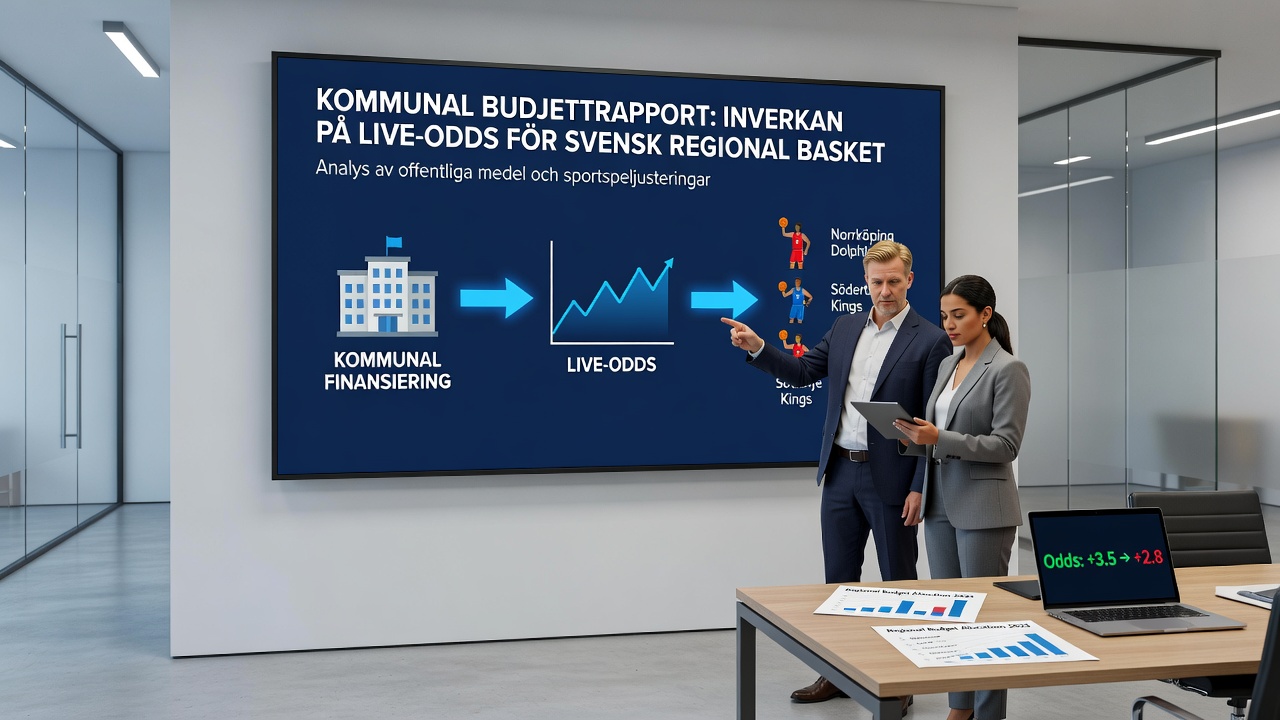
Major betting platforms integrate municipal budget information into their algorithms by cross-referencing it with league standings and injury reports. According to figures from Sveriges Kommuner och Regioner, variations in sports grants exceeding 15 percent year-over-year have coincided with volatility spikes in live markets for fixtures involving affected clubs. Operators adjust probabilities dynamically because such funding changes alter baseline expectations for possession control and defensive efficiency, metrics that evolve rapidly once play begins.
External analyses from sources such as the Australian Sports Commission have examined parallel funding mechanisms in other regions and found similar patterns where public investment levels predict shifts in competitive outcomes. Swedish platforms apply these insights to basketball specifically, where regional disparities in arena quality directly affect shooting percentages and rebounding statistics that drive in-game odds movements. Live adjustments occur within seconds of new data points, ensuring market alignment with the latest performance signals tied to prior budget decisions.
Observed Patterns in 2026 Fixtures
During the 2026 season, several regional basketball matches illustrated these connections when municipalities announced reallocations toward community programs. Clubs in smaller districts that gained additional support for youth academies showed stronger bench contributions in later quarters, prompting platforms to favor over lines on total points as games progressed. Tracking services recorded multiple instances where pre-match odds moved within hours of budget publications, even before tip-off, as analysts incorporated the new financial context into their models.
Platforms maintain dedicated teams that monitor public records from all 290 Swedish municipalities, focusing on line items related to idrottsanläggningar and föreningsstöd. This vigilance allows for preemptive recalibrations when funding patterns suggest sustained advantages for particular teams across a series of fixtures. Evidence from match logs indicates that such adjustments maintain market balance while reflecting the underlying resource realities faced by regional programs.
Conclusion
Municipal budget announcements establish foundational conditions that propagate through team capabilities and into live odds mechanisms on major platforms for Swedish regional basketball. The interplay involves documented funding flows, performance data streams, and algorithmic responses that update continuously during fixtures. Observers tracking these dynamics in October 2026 continue to identify correlations between local government decisions and market recalibrations, underscoring the structured pathways that connect public finance with betting outcomes in this specific context.