How Fitness Tracking App Integrations Reshape Customized Wagering Recommendations for Team Sports Events on Digital Platforms
Skriven av Jakob Foster · 2026-11-18
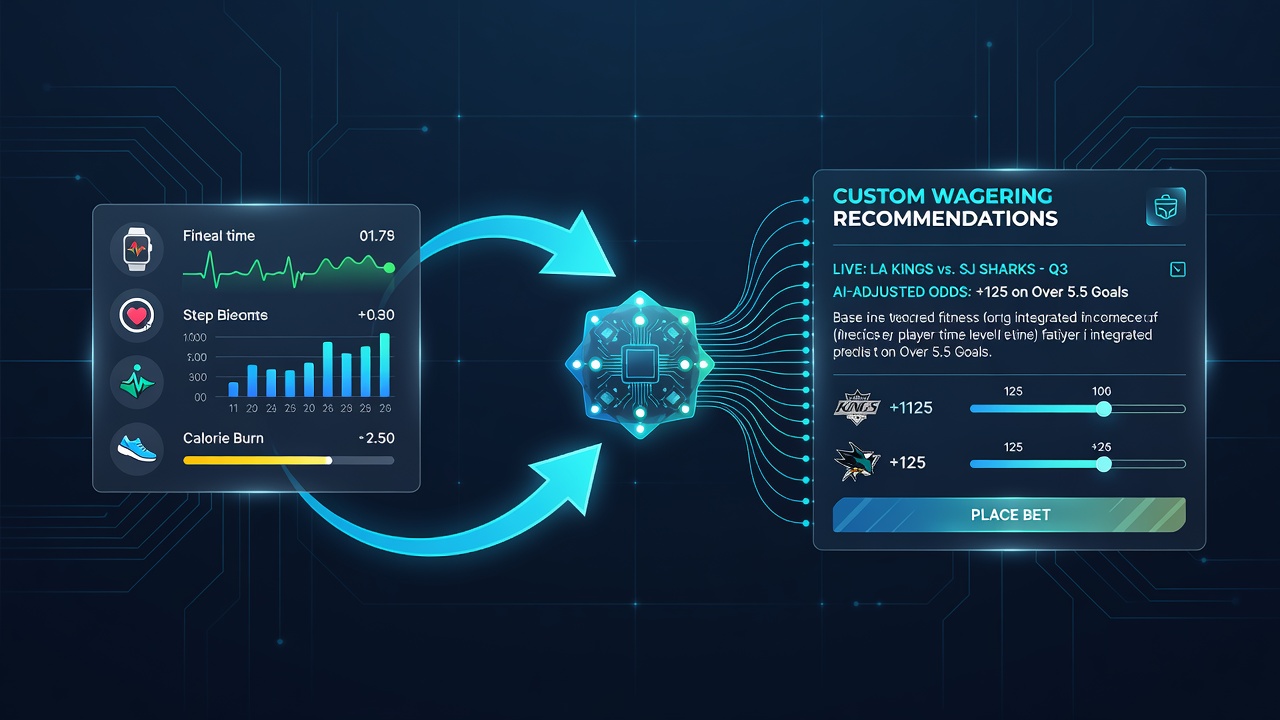
How Fitness Tracking App Integrations Reshape Customized Wagering Recommendations for Team Sports Events on Digital Platforms
Digital platforms have started pulling data streams from fitness tracking applications into their recommendation engines for team sports events, and this process creates more tailored wagering options based on measurable player and team metrics. Integration happens through APIs that connect devices such as heart rate monitors and GPS trackers with betting systems, allowing platforms to adjust suggestions according to real-time physiological indicators from athletes in sports like basketball, soccer, and hockey.
Data Flows Between Fitness Apps and Wagering Systems
Platforms receive aggregated data points including recovery scores, training load volumes, and sleep patterns from users who opt into sharing, then these inputs feed algorithms that refine bet recommendations for upcoming matches. Studies from research institutions show that heart rate variability readings often correlate with performance dips in team settings, so systems use this information to highlight or de-emphasize certain player props during live events. In November 2026, several major platforms reported expanded partnerships that pulled in additional sensor data from wearables used by professional leagues, resulting in updated models that process thousands of data points per game.
Observers note that the shift occurs because raw fitness metrics provide quantifiable signals that traditional statistics alone cannot capture, and this leads to recommendations that factor in variables like muscle fatigue levels accumulated over a season. Data indicates that when platforms incorporate these streams, the volume of customized suggestions increases by measurable margins, particularly for in-game wagers on team totals and individual contributions.
Technical Mechanisms Driving Personalization
Application programming interfaces handle the secure transfer of anonymized fitness information from consumer apps into backend systems, where machine learning models cross-reference it against historical match outcomes and current roster conditions. Experts have observed that this setup allows platforms to generate dynamic odds adjustments based on collective team wellness indicators, such as average recovery rates across a starting lineup. For instance, when a squad shows elevated training loads from recent sessions tracked via apps, systems may surface recommendations around under totals for scoring plays.
Those who've examined these integrations point out that consent protocols require explicit user approval before any data moves between services, and this step maintains compliance with privacy standards across different regions. Figures from industry reports reveal that adoption rates for these linked features grew steadily through 2025, with platforms reporting higher engagement levels among users who connect their fitness profiles.
Impact on Team Sports Wagering Patterns
Customized recommendations appear more frequently in basketball and soccer markets where individual player data from fitness trackers aligns closely with team performance trends, and this creates opportunities for bettors to receive prompts tied to specific wellness thresholds. Research indicates that platforms using these integrations see shifts in bet placement timing, with more activity occurring around updates derived from overnight recovery data rather than static pre-match analysis alone.
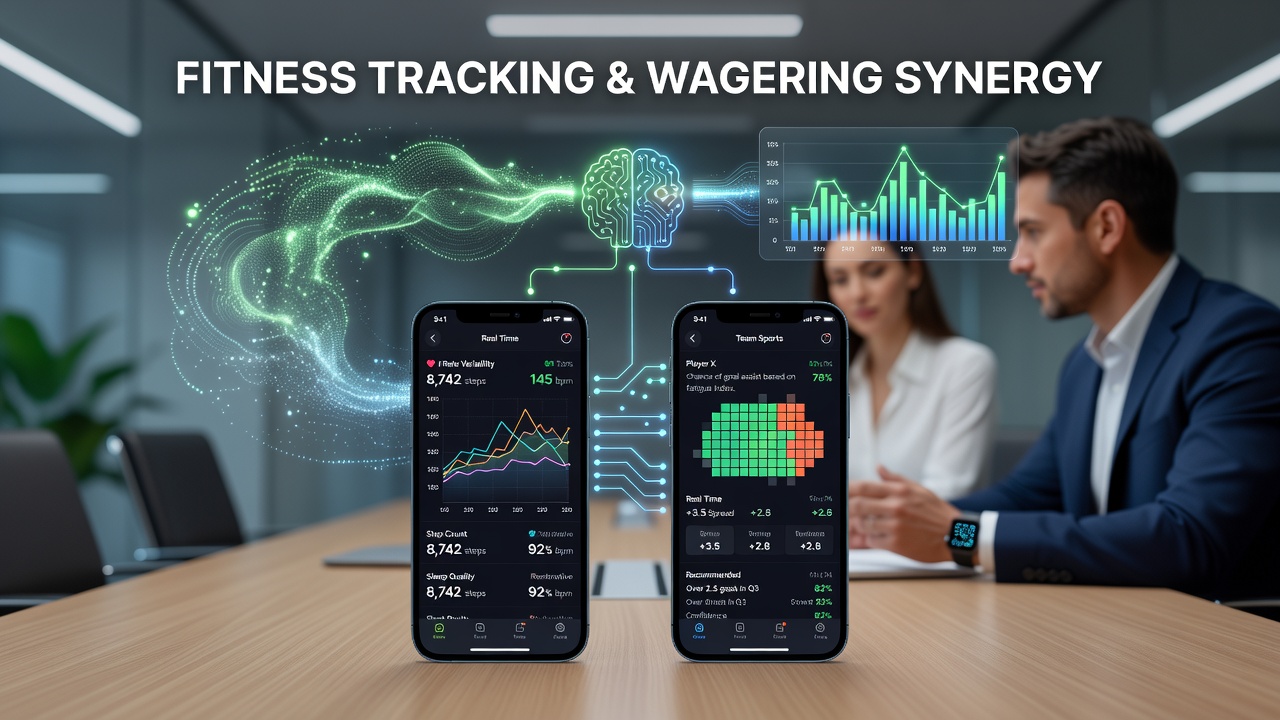
But here's the thing: the connections also extend to injury risk modeling, where sustained high-intensity training tracked through apps informs recommendations on player availability props. One study from an academic source linked elevated accelerometer readings to increased substitution likelihoods in professional matches, and platforms have incorporated similar correlations into their suggestion engines.
Regulatory and Industry Context
Government agencies in multiple jurisdictions track how such data integrations intersect with responsible gaming requirements, and organizations like the Australian Communications and Media Authority have issued guidelines on transparency when personal metrics influence commercial offerings. Industry associations report that platforms must disclose the sources feeding their recommendation tools, which includes fitness app connections in team sports contexts.
What's interesting is that these developments coincide with broader adoption of wearable technology across amateur and professional levels, creating larger datasets that platforms can draw upon while maintaining anonymization standards. Data from regulatory filings shows that European markets have seen parallel updates, where fitness integrations help refine live wagering interfaces without altering core odds compilation methods.
Future Developments Expected by Late 2026
By November 2026, additional layers of integration are projected to include direct feeds from league-approved monitoring systems that supplement consumer app data, and this could further refine how platforms tailor team event suggestions. Observers note that continued refinement of these systems depends on standardized data formats across different fitness providers, which several trade groups are working to establish.
Academic papers continue to examine correlations between tracked metrics and on-field results in team sports, providing updated inputs that platforms reference when adjusting their recommendation logic. Those monitoring the space indicate that the pace of these changes remains steady as more users connect their devices and more events generate compatible data streams.
Conclusion
Fitness tracking app integrations continue to supply digital platforms with new variables for shaping wagering recommendations in team sports, and the process relies on secure data exchanges that respect user consent. Research from varied sources documents measurable effects on suggestion volume and timing, while regulatory bodies across regions maintain oversight on transparency practices. As of late 2026, the landscape shows ongoing expansion of these connections without major disruptions to existing frameworks.